Door hangers came back and nobody told the agencies
Paper on a doorknob is cheap, physical and hard to ignore. Used with a map instead of a hunch, it is one of the best value acquisition tools a local shop has.
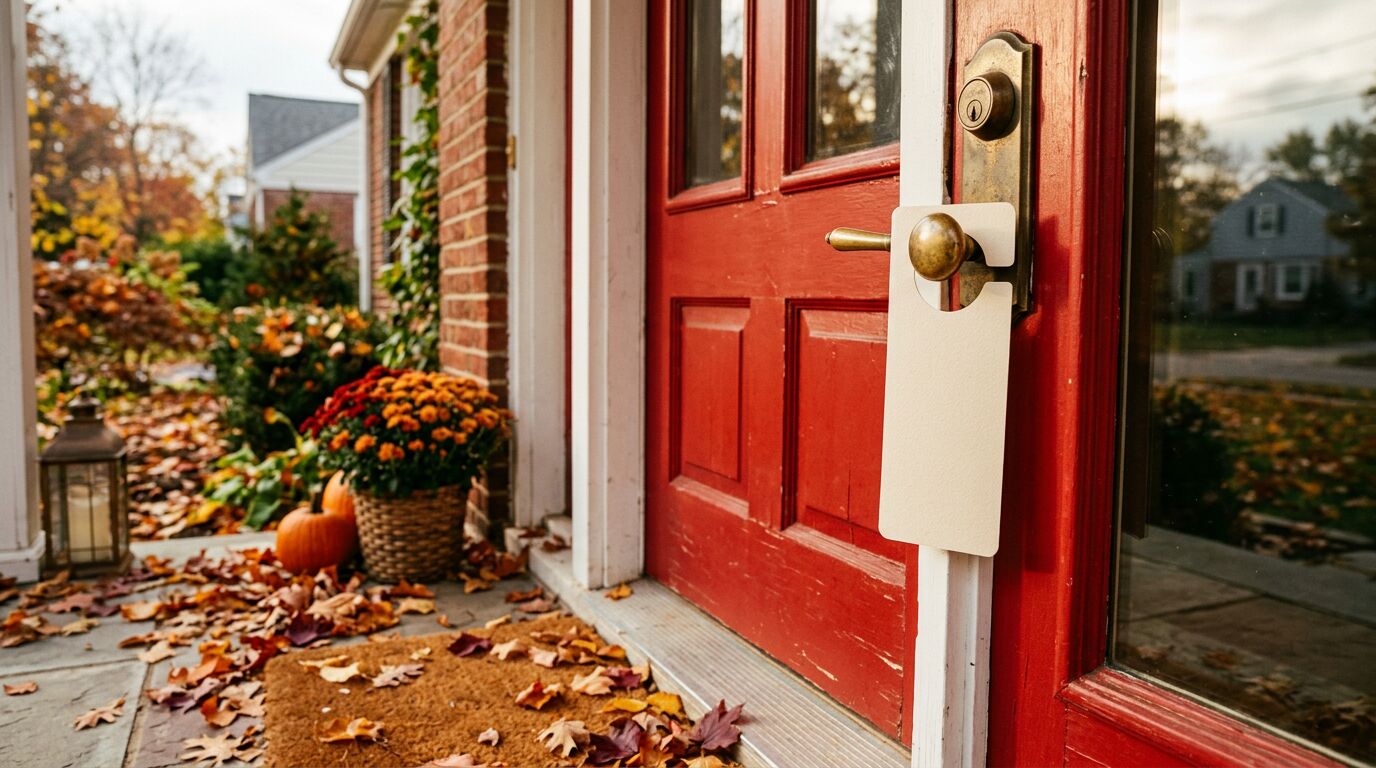
Nobody in a marketing meeting gets excited about door hangers. They are not clever. Nobody wins awards for them. You print a few thousand, somebody walks the streets, and a week later you find out whether it worked.
And yet. Walk around any suburb and look at how little paper there is on front doors now. Mailboxes are stuffed. Inboxes are worse. A door handle is one of the few places left where a local business can put something physical in front of a household and know it will be touched.
Where to hang them
The mistake most shops make is to hang paper everywhere within a few miles. That wastes most of the print run on two kinds of street: the ones where nearly everybody already orders from you, and the ones where almost nobody ever will.
Your order history tells you which is which. Plot your customers on a map and look at each neighbourhood. Streets where you already have a big share of households do not need paper. Streets where you have almost nobody are often too far or simply loyal to someone else. The streets in the middle, where you have some customers but plenty of room to grow, are where door hangers earn their money.
What to put on them
Keep the design brutally simple. The shop name large enough to read from the path. One offer, clearly stated. A way to order that works on a phone in two taps, usually a short web address and a code.
Make the offer specific to the paper, with its own code, so you can tell later which orders came from the hanger. Without that you are guessing.
Who walks the route
The delivery is where many campaigns quietly fail. Hangers dumped in a recycling bin, or left in a stack on one porch, look exactly like hangers that were delivered properly on a spreadsheet. If you use a crew, check the routes. Drive a few streets the next day and see whether the paper is on the doors.
Some shops have drivers hang paper on the streets around each delivery during quiet periods. It costs little, and the neighbours of an existing customer are often the easiest new customers there are.
Judge it fairly
Count redemptions of the code, and also watch new customer counts in the streets you covered against the streets you did not. Paper often works slowly. Some people keep a hanger on the fridge for weeks before they use it.
Door hangers will never be the exciting part of the plan. Done with a map and a code, they are often the most reliable part.